Column · @travissppg886
Why Sussex County Homeowners Trust Professional Pest Control Services
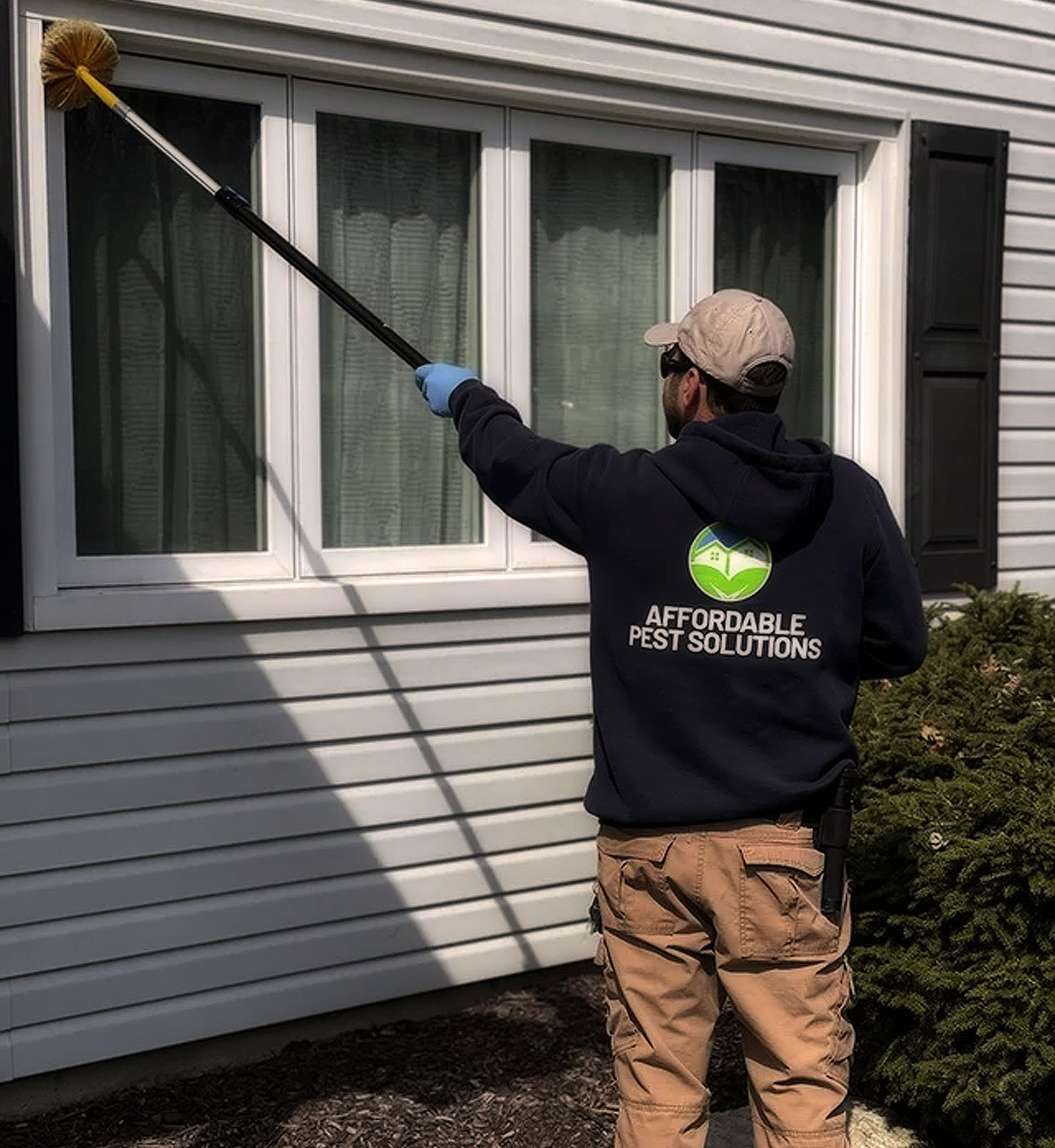
Homeowners in Sussex County tend to learn the same lesson sooner or later. Pest problems rarely stay small for long. What starts as a few ants near the sink, a wasp nest under the eaves, or scratching in the attic can turn into property damage, contaminated food, disturbed sleep, and a repair bill that costs far more than anyone expected. That is one reason so many local residents place their trust in professional help rather than trying to fight every infestation on their own.
Trust is not built on marketing alone. It comes from results, consistency, and the kind of local judgment that only develops after working in homes across the county through every season. Professional pest control is not simply about spraying a product and moving on. The better companies are solving a chain of problems at once: identifying entry points, understanding moisture conditions, reading signs of nesting activity, choosing treatments that fit the home, and preventing the same issue from returning a month later.
That practical difference matters in Sussex County, where housing styles, wooded lots, changing weather, and seasonal pest cycles create conditions that are not always easy for a homeowner to diagnose correctly. A detached home near open land faces different risks than a townhouse closer to commercial corridors. A crawl space with damp insulation presents one set of concerns, while an older basement with small foundation cracks presents another. Professional service earns confidence because it accounts for those specifics instead of treating every house like the same address with a different mailbox.
Local conditions create local pest pressure
Sussex County has a mix of suburban neighborhoods, rural properties, wooded edges, marsh-influenced areas, and waterfront-adjacent communities. That range matters because pests respond to habitat. Carpenter ants thrive where moisture has softened wood. Mosquitoes multiply fast when standing water goes unnoticed after rain. Mice take advantage of cooling temperatures in fall and look for small openings around utility lines, garage doors, and sill plates. Termites do not care whether a house is newly purchased or owned for twenty years. If conditions are favorable, they move in.
Professionals who provide Pest Control Services Sussex County homeowners rely on usually know these patterns in a very grounded way. They have seen the same ant pressure return in developments bordered by woods. They know which neighborhoods tend to deal with more moisture-loving pests after wet springs. They can often tell, within a few minutes of inspection, whether a spider issue is the main problem or simply a signal that another insect population is active indoors.
That sort of pattern recognition is difficult to replace with internet advice. Generic pest articles can be useful for broad awareness, but they do not inspect your sill plate, your attic insulation, the grade around your foundation, or the gap under your back door. They do not notice that your downspout discharge is pooling near a corner of the house where ants are trailing inside. They cannot smell the mustiness in a crawl space or spot the rub marks along a basement beam that suggest rodent traffic.
Homeowners want certainty, not guesswork
Most homeowners are not looking for a science project. They want the problem solved safely, quickly, and with enough confidence that they can stop worrying every time they hear a noise in the wall. That desire for certainty is a major reason professional pest control earns trust.
A common example is the difference between seeing one mouse and understanding whether that mouse represents an isolated incident or an active indoor population. A trap from a hardware store may catch one animal. It does not answer the larger question. Where did it enter? Is food attracting it? Is there nesting material in the basement ceiling or garage wall? Are droppings fresh? Has activity spread into the attic? A trained technician approaches the issue like an investigation, not a single event.
The same is true with insects. Homeowners often mistake one pest for another, and that leads to wasted money and delayed control. Pavement ants, carpenter ants, and odorous house ants do not require the exact same approach. Wasps nesting in the ground are a different hazard than paper wasps under a deck rail. A few winged insects near a window can cause panic about termites, when in some cases they turn out to be ant swarmers. The reverse also happens, and that is the costlier mistake.
Professional service narrows uncertainty. An experienced technician can separate nuisance activity from structural risk, temporary intrusion from established infestation, and symptoms from root cause. That judgment is where trust begins.
The real value is in inspection
People often focus on treatment because it is the visible part of the job. In practice, inspection is where much of the value lies. A careful inspection reveals why pests are present, how they are moving through the structure, and what conditions are sustaining them.
In Sussex County homes, inspections frequently uncover a combination of issues rather than one obvious cause. A rodent problem may trace back to a torn crawl space vent screen, bird seed stored in the garage, and a garage side door that no longer seals properly. An ant issue may involve mulch piled too high against the siding, a leaky outdoor spigot, and decaying trim around a window. Cockroach activity may be concentrated in one bathroom because a slow plumbing leak inside the vanity has gone undetected for months.
Good professionals do not treat those findings as side notes. They explain them. They show the homeowner what they are seeing, what matters most, and what can wait. That honesty matters. If everything is presented as an emergency, trust erodes. If nothing is taken seriously, trust erodes just as fast. The best technicians know how to calibrate the message. They can say, in effect, this needs action now, this should be corrected soon, and this is worth monitoring.
That balanced communication is one of the quieter reasons people stay with a pest control provider year after year.
Professional treatment is usually more targeted than homeowners expect
Many people still picture pest control as broad, heavy application of chemicals. In reality, modern professional work is often far more targeted and measured. The goal is not more product. The goal is smarter placement, correct identification, and reduction of the conditions that allow pests to thrive.
For ants, for example, the wrong over-the-counter spray can scatter a colony, disrupt bait acceptance, or kill visible workers without addressing the source. For rodents, setting a few traps without sealing entry points may simply create a cycle where new animals replace the ones removed. For stinging insects, disturbing a nest at the wrong time of day can create a genuine safety problem. For termites, missing the signs early can mean the infestation continues quietly while cosmetic surfaces look fine.
Professionals choose methods based on the pest, the structure, the level of activity, and who lives in the home. That includes considerations for children, pets, older adults, and anyone with sensitivities. A technician may recommend crack and crevice treatment in one setting, exclusion work in another, sanitation corrections in a third, and monitoring in a fourth. The point is not a one-size-fits-all service. The point is appropriateness.
This is one of the areas where experienced homeowners become especially loyal to a provider. Once they see that a company is not overselling treatment and is instead applying judgment, they are more likely to trust recommendations in the future.
Prevention is where professional service proves its worth
Anyone can react to a pest problem once it is obvious. Prevention requires more discipline. It means thinking ahead, recognizing seasonal patterns, and addressing vulnerabilities before they become expensive.
That preventive mindset is particularly useful in Sussex County. Spring often brings ant activity, termite swarm concerns, and early mosquito breeding. Summer can intensify stinging insect issues, fly pressure, and outdoor nuisance pests around patios and pools. Fall tends to push rodents indoors. Winter reveals which homes have hidden access points because pests look for warmth, food, and shelter.
Homeowners who use recurring Pest Control Services Sussex County companies provide often say the same thing after a year or two: the house feels calmer. They are not responding to one surprise after another. They have someone checking the perimeter, monitoring seasonal changes, and catching small issues early.
A quality prevention program usually addresses several practical areas:
- Exterior entry points around doors, vents, utility penetrations, and foundation gaps
- Moisture conditions near crawl spaces, basements, gutters, and downspouts
- Yard and landscape factors that create harborage close to the structure
- Interior signs of activity in attics, garages, kitchens, and storage areas
- Seasonal treatment timing based on what pests are active locally
That kind of routine attention can save real money. Not every prevented problem shows up neatly on a spreadsheet, but homeowners notice the difference when they avoid attic contamination from rodents, repeated carpenter ant invasions, or a late discovery of termite damage that could have been caught earlier.
Safety and peace of mind are not minor benefits
When homeowners talk about pest problems privately, what often comes through is not just frustration but stress. People lose sleep over scratching sounds behind walls. Parents worry about children being stung in the yard. Someone caring for an older relative may feel uneasy about roaches or rodents in a kitchen. Even a relatively small pest issue can make a home feel unsettled.
Professional service helps restore a sense of order. That emotional value should not be dismissed. Home is where people expect to feel secure. When pests compromise that, the problem is not merely technical.
Safety is part of this. Stinging insects near walkways, decks, mailboxes, play areas, or rooflines create obvious risk. Rodents bring contamination concerns. Termites threaten structure over time. Ticks and mosquitoes can affect how families use their own yard. Professionals reduce those risks by responding with methods that are more deliberate than trial-and-error store purchases.
Just as important, they know when a situation requires urgency. A visible wasp nest near a front entrance is different from occasional silverfish in a basement storage room. Fresh rodent droppings in a pantry are not the same as seeing one dead insect in a garage. Homeowners trust specialists because they want someone who can separate nuisance from hazard and act accordingly.
Experience matters most when the situation is messy
Textbook pest problems are easy. A visible nest, a clear trail, an obvious gap around a pipe, these are straightforward. The harder cases are the ones that build trust because they show what experience really looks like.
Consider a house where the owner reports hearing movement above a bedroom ceiling, but only on certain cold nights. No obvious droppings appear in the living areas. The attic is partially finished, access is tight, and insulation is deep. A less experienced person might set a couple of traps and hope for the best. A seasoned technician reads the pattern differently. Cold nights suggest movement from an exterior void into a warmer zone. Limited droppings indoors suggest travel rather than full nesting in the occupied space. The inspection shifts to soffit lines, roof intersections, attic ventilation screens, and utility penetrations. That is where the answer usually reveals itself.
Or take recurring ant activity in a kitchen that appears every spring despite multiple homeowner treatments. The obvious spots have already been sprayed. Trails disappear for a few days, then return. In cases like that, the problem is often not persistence of the same visible line but a colony structure that has not been properly addressed, or a moisture source behind a wall, or exterior landscaping that keeps pressure against the house. Once those conditions are identified and corrected, the annual cycle changes.
There is a practical comfort in hiring people who have seen versions of the same puzzle before. They do not overreact. They do not improvise recklessly. They know what to Pest Control Services Sussex County look for and what questions to ask.
Cost is part of the trust equation
Homeowners are not naive about price. They compare estimates, weigh service plans, and ask whether they really need ongoing visits. Professional pest control earns trust partly by helping customers understand cost in context.
A low price for a quick spray can look appealing until the issue returns three weeks later. A more thorough service may include inspection, targeted treatment, follow-up, monitoring, and guidance on correction of conducive conditions. Those are not the same product, even if both are described casually as pest control.
There is also the cost of delay. Rodents can contaminate insulation and chew wiring. Carpenter ants can exploit damp, weakened wood. Termites can remain hidden long enough for repairs to move from minor to significant. Repeated DIY purchases add up quickly, especially when each one is chosen without a clear diagnosis. Many homeowners eventually realize they have spent a few hundred dollars on partial attempts and still need professional intervention.
Trust grows when a company is transparent about what a service includes and what it does not. If exclusion work is separate from monitoring, say so. If one treatment is likely enough, there is no need to push a larger package. If a follow-up is recommended because egg cycles or environmental factors make it prudent, explain that plainly. Clear expectations are one of the strongest foundations of long-term customer relationships.
Communication separates average companies from dependable ones
The pest industry, like any service field, has a wide range of operators. What often distinguishes dependable companies is not only technical skill but communication. Homeowners want to know what was found, what was done, what they should expect next, and whether there is anything they need to fix on their side.
A technician who explains findings in plain English builds confidence quickly. Instead of saying there is general activity, they might explain that fresh droppings were found along one basement wall, entry is likely occurring near the HVAC line penetration, and pantry storage should be tightened while exclusion work is completed. That is useful information. It turns a vague service call into a clear plan.
Written notes matter too. Many homeowners appreciate simple documentation, especially after buying a home, preparing to sell, or managing a rental property. Service records provide continuity. If the same issue returns, the company can compare conditions over time rather than starting from zero.
One brief checklist often helps homeowners support the work between visits:
- Keep mulch, firewood, and dense vegetation from pressing directly against the house
- Repair leaks and reduce standing water near the structure
- Store food, pet feed, and bird seed in sealed containers
- Replace damaged door sweeps and torn vent screens
- Report new signs of activity early, before the issue spreads
When that guidance is delivered without alarmism, homeowners feel like partners rather than bystanders.
Why local reputation carries weight
In a county where people talk, reputation matters. Homeowners often hear about a pest control company from a neighbor, contractor, realtor, or family member before they ever search online. That local word-of-mouth carries weight because pest control is one of those services where results show up over time, not just on the day of the appointment.
A company that consistently handles seasonal pests, responds well to urgent calls, and treats customers fairly tends to become part of the informal trusted network people rely on for home maintenance. Realtors recommend them after inspections reveal issues. Roofers and remodelers notice when a pest provider catches structural vulnerabilities early. Property managers value reliability and documentation. Homeowners remember when a technician took the time to explain why a recurring issue kept Pest Control Services Sussex County happening and then actually fixed it.
That kind of reputation cannot be manufactured easily. It comes from showing up, being accurate, and respecting the homeowner’s investment.
The trust comes from outcomes
At the end of it, Sussex County homeowners trust professional pest control services for a simple reason. The work solves real problems in a way that is safer, more precise, and more durable than guesswork. It protects structures, preserves comfort, and reduces the background stress that pest activity brings into daily life.
The strongest providers do more than eliminate what is visible. They inspect carefully, communicate clearly, and apply local knowledge to the conditions of each property. They understand that a home is not just another service stop. It is a major investment, often a family’s largest one, and the stakes are both financial and personal.
That is why professional pest control continues to earn trust across the county. When pests threaten the condition of a home or the comfort of the people living in it, homeowners want competence they can feel, not promises they have to hope for.
Affordable Pest Solutions LLC
Based in Budd Lake, New Jersey 07828
Service area: Sussex County, Morris County, and Warren County, New Jersey
+1 973-229-9547
FAQ About Pest Control Services Sussex County
What is included in a pest control service in NJ?
A visit generally starts with an inspection to identify the pest and assess activity, access points, and contributing conditions. The proposed service may include treatment, monitoring, exclusion recommendations, and follow-up. Ask which pests and areas are covered by the written quote.
How much does a pest controller charge in NJ?
Pricing depends on the pest, property size, severity of activity, and work required. A single treatment and an ongoing plan can have different costs and coverage. Request an inspection-based estimate that explains the included work, follow-up fees, and warranty terms.
How to prepare my home for pest control?
Ask for instructions specific to the planned service. The technician may need access to inspection areas and may ask you to move belongings or protect food and dishes. Mention pets, aquariums, and any household concerns beforehand. Follow the product label and the technician's instructions about leaving and re-entering treated areas.